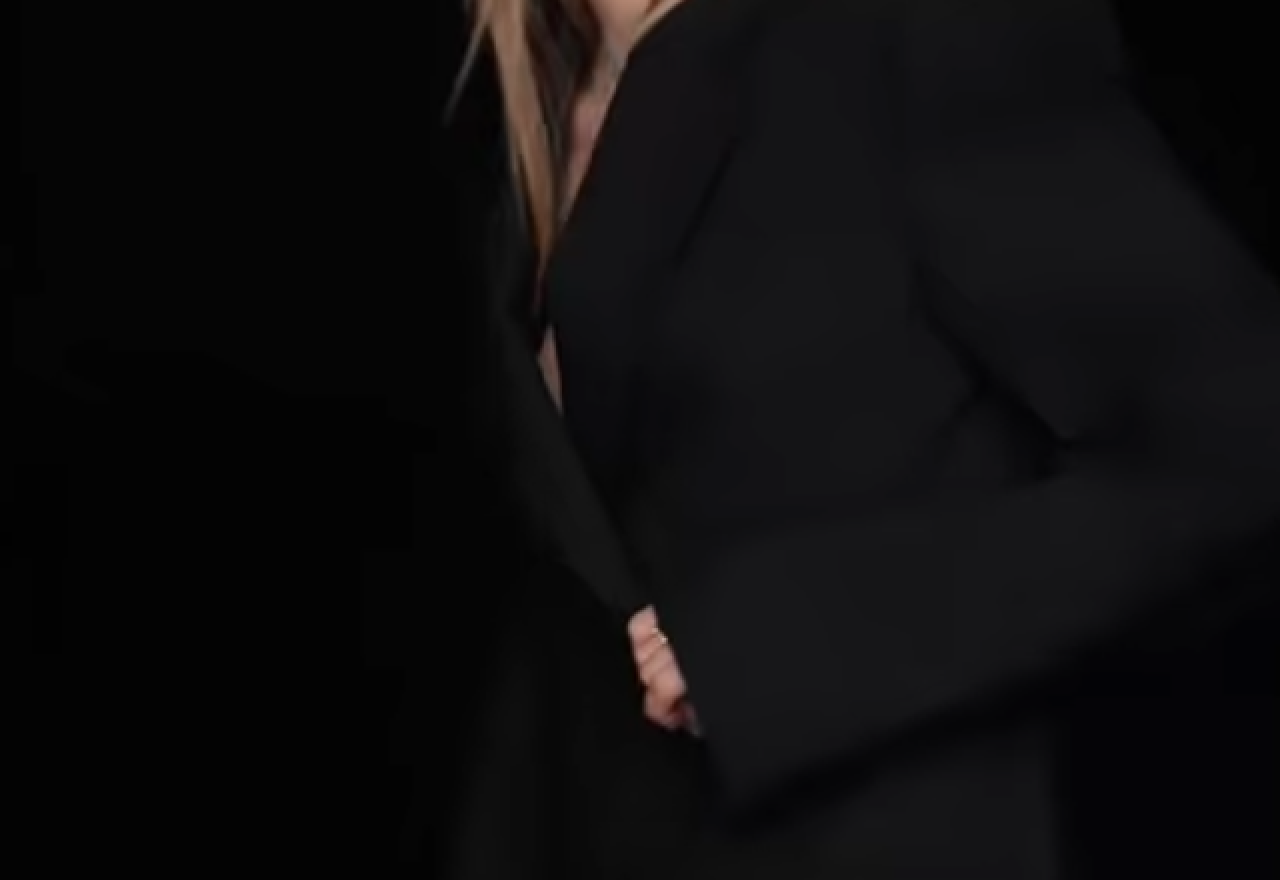
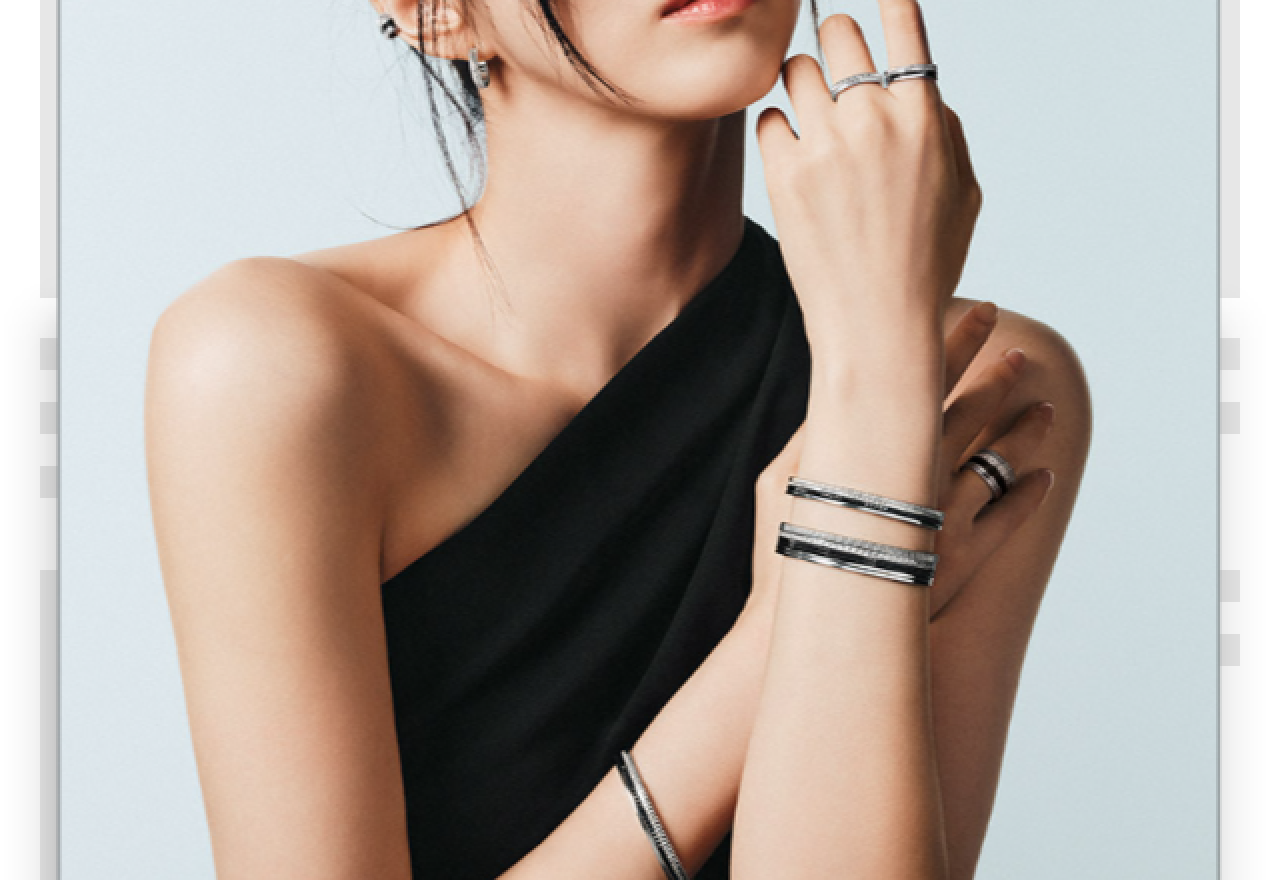
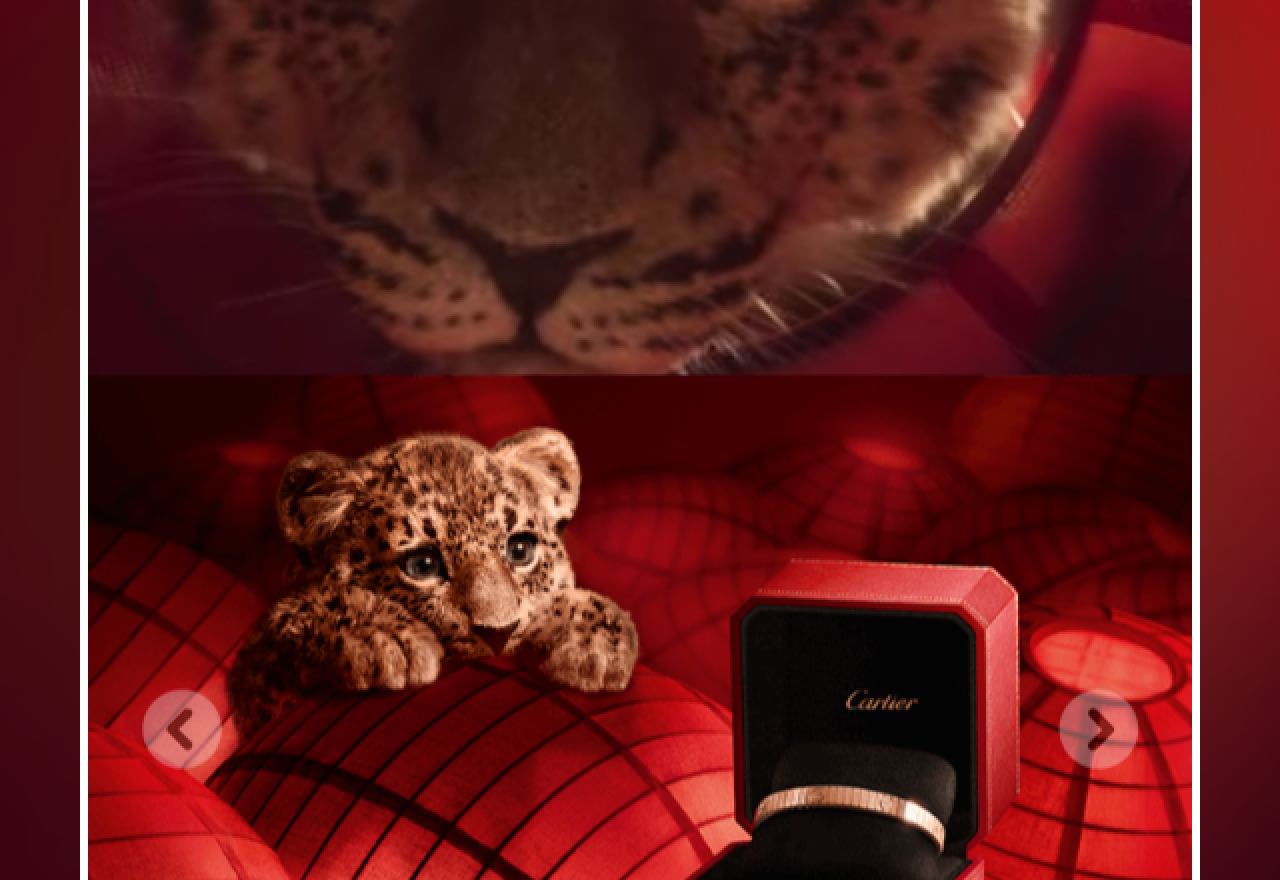
A premium L-layer creative that turns Chow Sang Sang jewellery browsing into a guided mobile product discovery experience.
- Brand
- Chow Sang Sang
- Format
- 320x480
- Feature
- Layer + CTA glowing effect
- Market
- regional market
- Year
- 2024
Mobile-first creative stage
The frame keeps the creative at the center while giving reviewers clear device context.
Scan or open the original preview.
Use the QR code for quick mobile review, or open the raw preview link in a new tab.
Turning a Jewellery Catalogue Into a Layered Discovery Experience
For Chow Sang Sang, the opportunity was bigger than showing a premium jewellery collection. The creative needed to help viewers move from inspiration to product interest quickly, while keeping the experience elegant enough for a heritage jewellery brand.
The layered creative format gives the campaign a more editorial rhythm. Instead of presenting every message at once, the experience opens in stages: a polished brand moment, curated collection cues, product discovery, and a clear call to action.
The Challenge
Jewellery campaigns carry a lot of visual detail. Product design, craftsmanship, occasion, gifting intent, and brand tone all matter. In a compact mobile placement, showing everything at the same time can make the creative feel crowded.
The goal was to create a richer mobile journey without making users work too hard. The creative needed to feel premium, easy to browse, and useful for shoppers who were still deciding what style or collection interested them most.
Reviewer note:
The strongest part of this execution is how it turns product browsing into a guided sequence instead of a flat catalogue.
The Creative Idea
The L-layer structure allows the ad to behave like a compact landing page inside the creative unit. Each layer has a clear purpose: attract attention, introduce the product world, encourage exploration, then guide users toward the next action.
- The first layer creates a premium brand entry moment.
- The next layer introduces the collection or campaign context.
- The interaction layer lets users explore without leaving the creative too early.
- The final CTA keeps the journey focused and easy to act on.
Why It Works
This approach is useful for premium retail because it avoids forcing one static message to carry the entire campaign. The creative becomes a flexible showcase where users can self-select what feels relevant while the brand keeps control of pacing and presentation.
L-layer creative works best when the campaign needs both emotional storytelling and practical product browsing in the same mobile moment.
What Reviewers Should Notice
The value of this execution is in the pacing. The creative does not ask the user to understand everything instantly. It creates a sequence: first visual appeal, then exploration, then action. That makes the experience easier to explain in client conversations and easier to compare with standard static display formats.
Result
The final creative works as a strong reference for premium retail and jewellery campaigns. It shows how rich-media can move beyond awareness by giving users a more useful browsing experience while still keeping the creative elegant, focused, and mobile-first.
For future campaigns, this format can be adapted for seasonal gifting, new collection launches, limited-edition drops, store discovery, or product education journeys.
Want to discuss this creative?
Reach out to the team and use this case page as the shared reference for the next creative conversation.
Discuss a creative